
Whether a divorced woman needs a wali for remarriage depends on the Islamic school of thought being followed. Many Muslims ask, “Does a divorced woman need a wali?” The answer varies among Islamic traditions. In many schools of thought, a wali plays an important role in the marriage process, while some schools allow an adult divorced woman to contract her own marriage under certain conditions. Understanding these views is essential for those seeking guidance on Islamic marriage requirements.
What Is a Wali in Islamic Marriage?
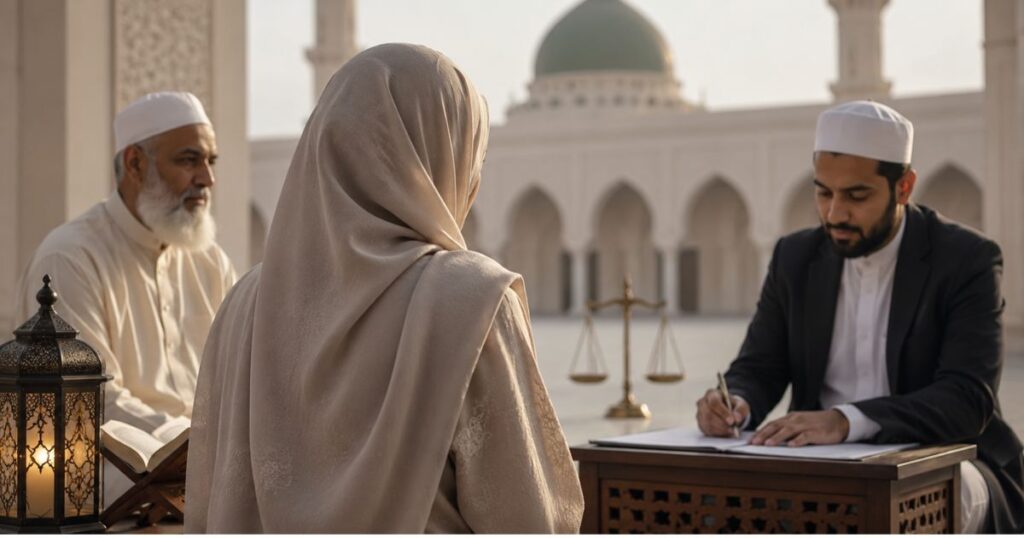
Definition and Role of the Wali
A wali is a woman’s marriage guardian. Think of him as the trusted person who stands beside her, gives consent, and helps protect her interests during the marriage contract.
So who can serve as a wali? The usual order is:
- Father
- Brother
- Other close male relatives (grandfather, uncle, adult son)
- A judge, imam, or Muslim authority if no relative is available
The wali’s main job is to perform the ijab the formal declaration of marriage and to ensure the woman isn’t being pushed into something harmful. He’s there as a safeguard, not a roadblock.
Why the Wali Matters in a Nikah
During a nikah, the wali speaks on behalf of the bride to seal the marriage contract. His presence is one of the things that, in most schools, makes the marriage valid.
This is where worry creeps in for some women. If no wali participates, is the marriage still valid? That’s a fair question, and the answer depends on the school of thought followed.
Many scholars point to a well-known hadith: “There is no nikah without a wali.” Others read the evidence differently, which is exactly why thoughtful Muslims sometimes reach different conclusions.
Does a Divorced Woman Specifically Need a Wali?
The Divorcee’s Greater Right Over Herself
In Islamic teaching, a previously married woman is called a thayyib. Because she’s been married before, scholars agree she has lived experience and a stronger voice in her own choices.
There’s a famous narration from Ibn Abbas in which the Prophet ﷺ said that a previously married woman “has more right to herself than her guardian.” That’s a powerful statement.
But here’s the careful part: “more right” usually means her consent is decisive no one can marry her off against her will. It doesn’t automatically mean she needs no wali at all in every school.
Where Scholars Agree and Disagree
Let’s keep this simple and honest.
Scholars agree: A woman’s free consent is essential. A divorced woman especially cannot be forced.
Scholars disagree on this: Whether having a wali is a condition of validity meaning the marriage isn’t valid without one or simply something strongly recommended.
That single disagreement is the root of nearly every confusing answer you’ll find online. Let’s untangle it school by school.
Madhhab Comparison: Wali Rules Across the Four Schools
The four main Sunni schools don’t all see this the same way. Here’s a clear side-by-side look at how each one treats the wali in nikah for a divorced woman.
| Hanafi | Not strictly required for a mature woman marrying a suitable match | A divorcee may arrange her own marriage to an equal | Reads the Ibn Abbas hadith as giving her independence |
| Maliki | Two views: some say it’s a condition, others say it’s recommended | Her consent is central; wali involvement strongly valued | Mixed evidence weighed differently |
| Shafi’i | Yes, a wali is required | A divorcee still needs a wali for a valid nikah | “There is no nikah without a wali” |
| Hanbali | Yes, a wali is required | A divorcee still needs a wali for a valid nikah | Same hadith-based reasoning |
Notice the pattern: three of the four schools call for a wali, while the Hanafi school is the well-known exception. Even so, every school respects and encourages the wali’s involvement. The difference is whether it’s required or recommended.
Wali vs. Wakil: What’s the Difference?

Here’s a mix-up that trips up many couples and even some imams. A wali and a wakil are not the same thing.
| Wali | The marriage guardian | Gives consent and makes the marriage declaration | Father, brother, male relative, or an imam/judge |
| Wakil | An authorized representative | Acts on someone’s behalf, like a stand-in | Anyone trusted and appointed to represent a party |
In short: the wali has the authority to give a woman in marriage. A wakil simply represents someone who can’t be present. A wali might appoint a wakil to act for him, but a wakil alone doesn’t replace the guardian’s role. Knowing the difference between wali and wakil can save you a lot of confusion on your wedding day.
What Happens if No Wali Is Available?
This is one of the most stressful situations a woman can face and it’s more common than you’d think, especially for converts and immigrants who have no Muslim male relatives nearby.
Steps When a Woman Has No Male Guardian
- Look for the next eligible male relative. Start with father, then brother, then grandfather, uncle, or adult son.
- Turn to a local Muslim authority. If no relative qualifies, a trusted imam or qadi can act as the wali.
- Remember the guiding principle. A well-known teaching says “the authority is the wali of one who has no wali.” In the U.S., that role often falls to a respected imam or to a leader of an Islamic center.
- Document everything properly. Make sure consent is clear, and you have two reliable witnesses present.
If you have no male guardian, please don’t panic. This is a known, solvable situation, and reputable mosques deal with it regularly.
Wali Guidance for U.S. Converts and Mixed-Faith Families
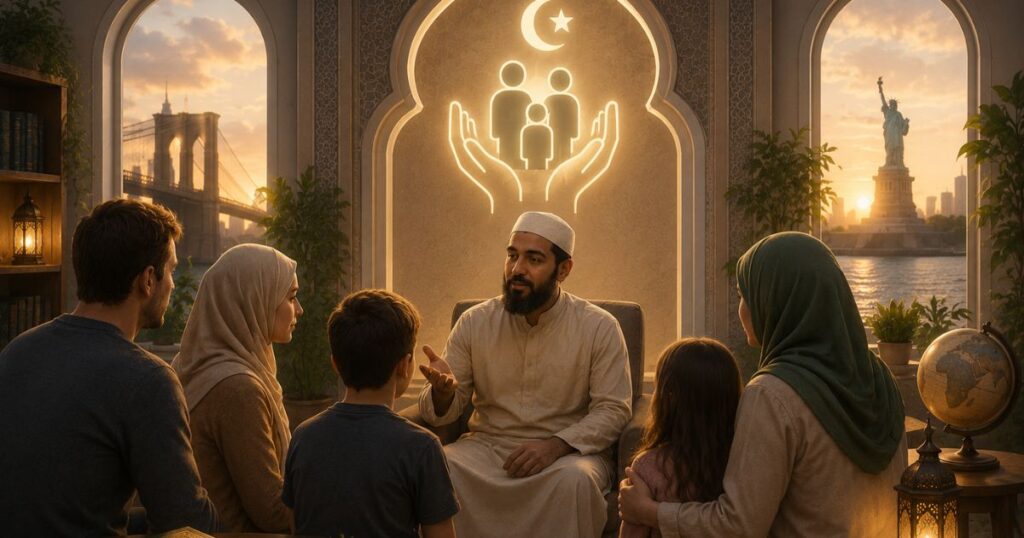
Living in the United States adds real-world layers that older texts didn’t always address directly. Many sisters here come from non-Muslim families or have no relatives who can serve as a guardian in marriage.
When the Father Is Non-Muslim
In most scholarly views, a non-Muslim relative cannot serve as the wali for a Muslim woman’s nikah. That includes a loving, supportive non-Muslim father.
So who steps in? Usually:
- The imam of a local mosque
- A leader at a trusted Islamic center
- A respected, qualified scholar in the community
This isn’t a rejection of family it’s simply how the guardian role works in Islamic law.
Practical Checklist for U.S. Convert Sisters
- Reach out to a reputable local masjid early well before setting a date.
- Confirm your wali arrangement so there are no surprises at the nikah.
- Line up two trustworthy witnesses.
- Match your religious nikah with U.S. civil marriage requirements (a marriage license from your state).
- Keep written records of consent and witnesses for your own peace of mind.
A real example: a convert sister in Texas had a wonderful but non-Muslim dad. Her local imam served as her wali, her dad walked her down the aisle for the celebration, and both the religious and legal sides were handled cleanly. Everyone left happy.
Expert Insight: What Imams in the U.S. Actually Advise
Here’s something experienced imams see often. A divorced sister comes in, pale with worry, asking: “I remarried years ago, but maybe there was no proper wali. Was my nikah even valid? Did I sin?”
Seasoned imams tend to respond the same calm way. They first ask which school of thought guided the original marriage. If a qualified scholar approved it at the time for example, under a valid Hanafi view the marriage usually stands without issue.
Most imams gently reinforce one trustworthy principle: if you followed a qualified scholar you trusted, in good faith, you are not blameworthy. You don’t carry guilt for sincerely following sound guidance. That reassurance alone has calmed countless worried hearts.
How to Seek Local Scholarly Guidance Responsibly
Getting the right answer isn’t just about searching harder online. It’s about asking the right person, the right way.
- Know your background. Identify your own or your family’s school of thought, if you follow one.
- Choose a qualified, reputable scholar or imam. Look for someone with real training and a trusted standing in the community.
- Ask about your exact situation. General rulings are nice, but your specific facts matter most.
- Avoid “fatwa shopping.” Don’t hop from scholar to scholar hunting for the easiest yes seek the honest answer.
- Confirm before you finalize. Lock in the ruling before the nikah, not after.
Common Mistakes Divorced Women Make With Wali Rules
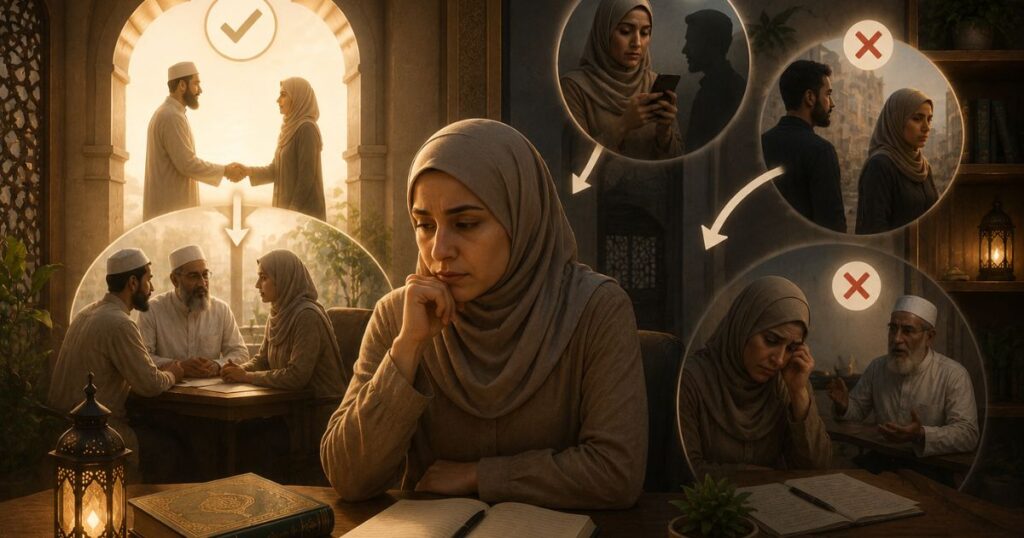
Even smart, careful people slip up here. Watch out for these traps:
- Assuming “divorcee = no wali needed” across all schools that’s only the Hanafi view, not a universal rule.
- Confusing the wali with the wakil two different roles, as we covered above.
- Focusing only on the wali and forgetting witnesses most valid nikahs need both.
- Relying on random online opinions instead of a qualified local scholar.
- Ignoring U.S. civil marriage requirements your religious nikah and your legal marriage license are separate steps.
Conclusion
The question of whether a divorced woman needs a wali is interpreted differently across Islamic schools of thought. Consulting a qualified Islamic scholar or local religious authority can help ensure that a marriage follows the appropriate religious guidelines and legal requirements within a specific community.
FAQs
Does a divorced woman need a wali to remarry in Islam?
In most schools of thought, yes a wali is part of a valid nikah even for a divorcee. The key difference is that her own consent is central and she cannot be married off against her will.
Can a divorced woman marry herself without a wali?
The Hanafi school allows a mature woman to arrange her own marriage to a suitable match. The Shafi’i, Maliki (in one view), and Hanbali schools generally require a wali.
Who can be the wali for a divorced woman with no male relatives?
A local imam or Muslim authority can serve as the wali when no eligible male relative is available. This is common and accepted, especially for converts and immigrants in the U.S.
Is a nikah valid if a divorced woman married without a wali?
It depends on the school followed. Under the Hanafi view, it can be valid, while other schools may question it so speak privately with a trusted scholar about your specific case.
What is the difference between a wali and a wakil?
A wali is the marriage guardian who gives consent and makes the declaration. A wakil is simply an authorized representative who acts on someone’s behalf and does not replace the guardian.
Does a non-Muslim father count as a wali?
Generally no a non-Muslim relative cannot serve as the wali for a Muslim woman’s nikah. In that case, an imam or another qualified Muslim usually steps in as the wali.