
Islam strongly encourages believers to speak with kindness, respect, and good manners. Cursing, using abusive language, and insulting others are considered sinful behaviors that go against Islamic values. The Quran and Hadith emphasize controlling one’s tongue and treating others with dignity, even during disagreements or moments of anger. Understanding the Punishment for Cursing in Islam helps Muslims recognize the seriousness of harmful speech and the importance of maintaining good character in daily life
Is Cursing Haram in Islam?
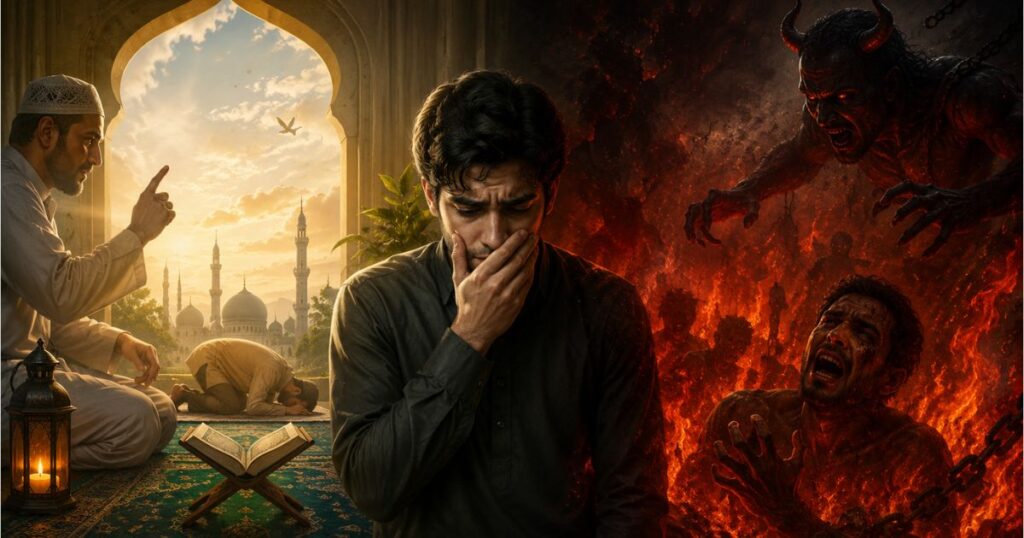
Let’s get the big question out of the way first. Is cursing haram in islam? In most cases, yes and the reasoning is beautifully simple.
Islam is built on kindness. The Prophet (peace be upon him) said:
“The believer is not a slanderer, one who curses a great deal, one who indulges in obscenity, or who engages in foul talk.” (Tirmidhi)
That single line tells you everything. Foul language clashes with the very identity of a believer. It’s not who you’re meant to be.
The Quran reinforces this in Surah Al-Hujurat (49:11), warning against insulting others and calling people offensive nicknames. So the islamic ruling on cursing leans heavily toward prohibition, especially when your words hurt another person.
Why Does Islam Take Speech So Seriously?
Here’s something that surprises people. Islam treats your tongue like a loaded tool capable of great good or real damage.
The Prophet (peace be upon him) once warned his companion Mu’adh that people are often “thrown into Hell on their faces” because of “the harvest of their tongues.” (Tirmidhi)
Think about that for a second. Not wealth. Not status. Words.
That’s why guarding the tongue in islam is treated as a serious act of worship. Every sentence you speak is recorded. Every kind word lifts you. Every cruel one weighs you down.
What Happens If You Curse in Islam?
This is the heart of it. So what happens if you curse in islam? The consequences fall into a few clear buckets.
- It counts as a sin. Even joking insults carry weight, according to the hadith.
- It damages your character. The Prophet (peace be upon him) tied foul speech to the traits of “the people of Hellfire.”
- It can rebound on you. Some narrations describe a curse traveling back to the person who said it if the target didn’t deserve it.
- It costs you respect on the Day of Judgment. Those who curse a lot “will not be intercessors or witnesses” on that day. (Muslim)
Notice what’s missing from this list there’s no automatic worldly courtroom punishment for everyday swearing. The real stakes are spiritual. And that’s actually a heavier thought, not a lighter one.
Swearing vs. Cursing in Islam They’re Not the Same Thing

Here’s where most articles fall short. People lump every “bad word” into one pile. But the difference between swearing and cursing in islam genuinely matters.
Let me break it down clearly.
| Type | What it means | The ruling |
| Swearing / foul language | Using vulgar, obscene, or crude words | Discouraged and sinful, even in jest |
| Insulting a person | Attacking someone with hurtful words or nicknames | Sinful, harms another’s rights |
| General cursing | Saying “May Allah curse the wrongdoers” broadly | Permissible in general terms |
| Cursing a specific person | “May Allah curse so-and-so” by name | Disputed and usually discouraged |
This distinction comes straight from classical scholarship. Scholars like Ibn Taymiyah and Ibn Uthaymin explained that cursing wrongdoers as a category is allowed, but pointing a curse at a named individual is a different matter entirely.
The Story That Sums It Up
There’s a famous moment that captures the Prophet’s mercy perfectly.
A man named Abdullah, nicknamed “Himar,” kept getting in trouble for drinking. One day, frustrated, someone said, “O Allah, curse him! How often he is brought in!”
The Prophet (peace be upon him) immediately stopped him:
“Do not curse him, for by Allah, what I know about him is that he loves Allah and His Messenger.” (Bukhari)
Read that again. Even a repeat offender wasn’t cursed by name, because his heart still held faith. That’s the spirit of Islam leave the final judgment to Allah.
The Content Most People Miss: Worldly vs. Hereafter Punishment

Now for the part that trips everyone up. When you search for the punishment for cursing in islam, you probably picture some fixed penalty. The reality is more layered.
Is There a Worldly Punishment?
Generally, no fixed legal punishment exists for ordinary cursing or swearing. It’s not like theft, which carries a specific ruling.
However, there’s a concept called ta’zeer. This is a discretionary punishment that an Islamic judge may apply for offensive behavior, especially when someone publicly insults or defames another person.
Imam an-Nawawi was asked about a man who called a fellow Muslim a “dog” or “pig.” His answer? It’s a sin, the person should face ta’zeer, and they must repent.
So while casual swearing won’t land you in a courtroom, deliberately insulting and harming someone’s dignity can carry real-world consequences in an Islamic legal framework.
The Hereafter Punishment
This is the weightier reality. The spiritual cost shows up clearly in the hadith:
- The Prophet (peace be upon him) listed habitual abusers and foul-mouthed people among the inmates of Hell. (Muslim)
- He said Paradise is forbidden to the shameless person who doesn’t care what they say or what’s said to them.
- He warned that the worst people are those whom others avoid out of fear of their vile tongues.
So the honest summary is this: the worldly punishment is usually discretionary and situational, but the anger and cursing we let loose carry a far heavier weight in the life to come.
Anger and Cursing: The Real Battlefield
Let’s be real. Almost nobody curses while calm and smiling. It happens in the heat of the moment traffic, arguments, stress, exhaustion.
Islam gets this completely. The Quran praises “those who restrain anger and who pardon the people.” (Quran 3:134)
That’s not a coincidence. Anger and cursing are linked at the hip. Control one, and you’ve largely solved the other.
The Prophet (peace be upon him) gave practical tools for hot moments:
- Pause and stay silent. “Whoever believes in Allah and the Last Day must speak good or keep silent.” (Bukhari)
- Change your position. If you’re standing, sit down. If sitting, lie down.
- Seek refuge from Satan. A short prayer can cool a boiling temper.
- Make wudu (ablution). Water has a calming effect, both physically and spiritually.
These aren’t ancient relics. They’re stress-management techniques that therapists basically rediscovered centuries later.
How to Stop Cursing A Practical Game Plan
Knowing the rules is one thing. Breaking a habit is another. If swearing has become your reflex, here’s a realistic path forward.
- Catch your triggers. Notice the situations that set you off then prepare for them.
- Swap the words. Replace curses with harmless phrases. Even a goofy “oh sugar” works while you retrain your brain.
- Choose your circle wisely. The Prophet warned that hearing foul language constantly dulls your sense of how bad it is. Surround yourself with better influences.
- Track your progress. Habit research suggests new behaviors take weeks of repetition to stick. Be patient with yourself.
- Repent and reset daily. A slip isn’t the end. It’s a checkpoint.
Small steps compound. You won’t transform overnight, but you absolutely can change.
Can Allah Forgive Cursing?
If your stomach dropped reading the earlier sections, breathe. Here’s the part that should lift you up.
Can Allah forgive cursing? Yes completely and generously.
The entire framework of Islam runs on mercy. The Quran is packed with reminders that Allah forgives those who turn back to Him sincerely. Repentance for cursing simply means three things:
- Feel genuine regret for what you said.
- Stop the behavior and commit to better.
- If you hurt someone, apologize and make it right with them.
That third point matters when your words wounded another person. Insulting others in islam involves their rights too, so a sincere apology often becomes part of your repentance.
No matter how many times you’ve slipped, the door stays open. That’s not a loophole it’s the heart of the faith.
A Real-World Lens: How This Plays Out Today

Let me ground all this in modern life, because that’s where the rubber meets the road.
Picture a college student surrounded by friends who curse in nearly every sentence. At first it bothered them. A month in, they barely noticed it. Six months later, they were doing it too and didn’t even realize when it started.
That’s exactly the desensitization the Prophet (peace be upon him) warned about over 1,400 years ago. The environment shapes the tongue.
Now picture the flip side. Someone decides to clean up their speech. They catch themselves mid-curse, swap in a softer word, and apologize when they slip in front of others. Within weeks, friends start noticing and a few quietly follow their lead.
That’s the quiet power of guarding your tongue. Your words don’t just shape your record with Allah. They shape the room you’re standing in.
This is the lived reality behind the rulings. The islamic ruling on cursing isn’t about Allah wanting to catch you out. It’s about protecting your dignity, your relationships, and your peace of mind.
Conclusion
The punishment for cursing in Islam is primarily spiritual and moral, as it can lead to sin, loss of rewards, and harm to relationships. Muslims are encouraged to seek forgiveness, repent sincerely, and develop good character by using respectful and positive speech in all situations.
FAQs
Is swearing in islam a major sin?
Swearing in islam is considered sinful, and habitual, shameless foul language is described in hadith as a trait of the people of Hellfire. Whether a specific instance counts as a major sin depends on its severity and harm, but all scholars agree it should be avoided and repented for.
What is the difference between swearing and cursing in islam?
Swearing usually means using vulgar or obscene words, while cursing means invoking evil or removal from Allah’s mercy upon someone. General cursing of wrongdoers as a category can be permissible, but cursing a specific named person is disputed and generally discouraged.
Is there a legal punishment for cursing in islam?
There is no fixed legal penalty for ordinary swearing in most cases. However, deliberately insulting or defaming a specific person can warrant ta’zeer, a discretionary punishment decided by an Islamic judge, along with the requirement to repent.
Can Allah forgive me if I curse a lot?
Yes, absolutely. Allah forgives those who sincerely repent, regret their behavior, and stop. If your words hurt another person, your repentance also includes apologizing to them and making things right.
How can I stop cursing when I’m angry?
Start by managing the anger itself pause, stay silent, change your physical position, and seek refuge from Satan. The Prophet (peace be upon him) taught that staying quiet is better than speaking harmful words, so silence in heated moments is both a shield and a habit worth building.