
Jannah in Islam is the eternal paradise promised by Allah to those who believe and do good deeds. It is a place of perfect peace, happiness, and endless blessings, far beyond anything we can imagine in this world. In Jannah, there is no pain, sorrow, or hardship only joy, comfort, and closeness to Allah. It is the ultimate reward for a faithful life and the final goal for every Muslim.
Understanding the Ultimate Reward
The ultimate reward is the deepest form of satisfaction a person receives after achieving a meaningful goal, overcoming challenges, or staying committed to a purpose. It is not always about money or recognition it often comes from personal growth, inner peace, confidence, and a sense of accomplishment. Whether in career, education, relationships, or personal development, the ultimate reward reflects the value of patience, hard work, and dedication over time.
The True Meaning Behind the Ultimate Reward
The ultimate reward goes beyond material success. It represents emotional fulfillment and the pride that comes from achieving something important through effort and persistence. Many people realize that the journey itself becomes part of the reward because it builds strength, discipline, and experience.
How Effort and Consistency Lead to Real Rewards
Consistent effort plays a major role in reaching meaningful rewards. When individuals stay focused on their goals despite obstacles, they develop resilience and confidence. Over time, this steady commitment transforms small achievements into lasting success and personal satisfaction.
Why the Ultimate Reward Feels Different for Everyone
Each person defines the ultimate reward differently based on their values and life goals. For some, it may be career success, while for others it could be happiness, stability, or helping others. Understanding what truly matters to you helps make your achievements more meaningful and fulfilling.
The Levels and Gates of Paradise
In Islamic belief, Paradise (Jannah) is a place of eternal peace, happiness, and reward prepared by Allah for those who live a life of faith and righteousness. It is not just one level but consists of multiple ranks and special gates. Each level reflects a person’s good deeds, patience, sincerity, and devotion. The higher the level, the greater the blessings, honor, and closeness to Allah. Similarly, the gates of Paradise welcome believers based on their strongest acts of worship.
The Different Levels of Paradise
Islam teaches that Paradise has many levels, and the highest level is Jannat-ul-Firdaws. This level is closest to Allah’s throne and is promised to those who show strong faith, humility, and consistent good actions. Believers are placed in different levels according to their deeds, sincerity, and sacrifices in the path of righteousness. The higher the level, the greater the comfort, beauty, and eternal rewards.
The Eight Gates of Paradise
Paradise has eight special gates, and each gate is connected to a particular type of good deed. For example, there is a gate for those who prayed regularly, another for those who gave charity, and a special gate called Ar-Rayyan for those who fasted sincerely. These gates honor believers for their dedication and encourage Muslims to perform different acts of worship throughout their lives.
How to Enter the Highest Gates of Paradise
To enter the highest gates of Paradise, believers should strengthen their faith, perform daily prayers, give charity, fast sincerely, speak truthfully, and help others. Seeking forgiveness, showing patience during hardships, and maintaining good character also raise a person’s rank in Paradise. By living a sincere and righteous life, a believer can hope to enter the most honored levels and gates prepared by Allah.
Characteristics of the Islamic Paradise
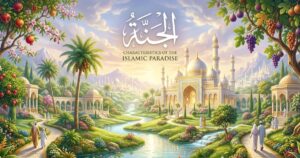
So, what does this place actually look like? Let us paint a picture in your mind.
Eternal Peace and Pure Happiness
Jannah is described as a place of complete peace where no pain, stress, or sadness exists. Every believer will feel constant joy and satisfaction without any fear of loss. There will be no illness, aging, or deathonly everlasting comfort. The environment itself reflects calmness, with soothing gardens, flowing rivers, and a sense of perfect security that the human heart always longs for.
Unlimited Blessings and Divine Rewards
In Jannah, Allah grants rewards beyond human imagination. People will enjoy beautiful homes, delicious food, and everything their hearts desire instantly and without limits. The greatest reward, however, is the closeness to Allah and the opportunity to see Him. Every wish will be fulfilled, and each moment will feel better than the last, making Jannah the ultimate destination of success for every believer.
How to Attain This Beautiful Abode
You might be wondering, “How do people actually get to go to this awesome place?” It is not about being perfect, because nobody is perfect. It is about trying your best.
Here are the main things that lead someone to this eternal reward:
- Belief and Faith: Trusting in God and following the core rules, known as the Five Pillars of Islam. This includes praying, giving to the poor, and fasting.
- Being a Good Person: Being kind to your parents, sharing with your friends, and telling the truth.
- Saying You Are Sorry: This is called repentance. When you make a mistake, you just have to sincerely apologize and try not to do it again.
There are some common misunderstandings about getting into paradise. Some people think you have to be a flawless superhero who never does anything wrong. That is not true! The Creator is very forgiving. Even small things, like moving a sharp rock out of the road so nobody trips on it, or giving a thirsty dog a bowl of water, are counted as massive good deeds.
Comparing Paradise and Hell
Paradise and Hell are often described as two completely opposite destinations in many religious and philosophical traditions. They represent the ultimate outcomes of human actions, beliefs, and choices made during life. While Paradise is associated with peace, reward, and eternal happiness, Hell is seen as a place of punishment, suffering, and regret.
Rewards and Peace in Paradise
Paradise is portrayed as a place of endless comfort, beauty, and joy. It is a reward for those who live righteous lives, show kindness, and follow moral or divine guidance. In Paradise, there is no pain, sorrow, or fear. Instead, people experience eternal peace, satisfaction, and fulfillment. It is often described as a garden filled with blessings, where every desire is granted and where individuals live in harmony forever.
Punishment and Suffering in Hell
Hell, on the other hand, symbolizes the consequences of wrongdoing and disobedience. It is described as a place of intense suffering, regret, and punishment for those who commit evil acts and refuse to change their ways. Unlike Paradise, Hell is associated with pain, darkness, and despair. People in Hell face the results of their actions and experience continuous hardship, often reflecting the seriousness of their wrongdoings.
Unique Insights About the Afterlife
The concept of the afterlife offers a powerful perspective on life’s true purpose. In Islamic understanding, the afterlife is not simply a distant future event it is a continuation of existence where justice, mercy, and accountability are perfectly fulfilled. Every action, intention, and word holds meaning beyond this temporary world. Reflecting on the afterlife encourages believers to live with sincerity, patience, and hope, knowing that nothing good is ever lost and no injustice remains unanswered.
The Afterlife Begins Immediately After Death
In Islam, the journey of the afterlife starts right after death with the life of the grave (Barzakh). It is a transitional stage where the soul experiences peace or difficulty based on one’s faith and deeds. This reminds believers that preparation for the afterlife is not delayed until the Day of Judgment—it begins the moment worldly life ends.
Deeds Are Weighed With Perfect Justice
One of the most unique insights about the afterlife is the concept of complete and fair accountability. Every small action, whether visible or hidden, is recorded and will be presented on the Day of Judgment. Even a sincere intention or a simple act of kindness can carry great weight, showing that nothing done for the sake of Allah is ever wasted.
Eternal Rewards Go Beyond Human Imagination
The rewards of Paradise (Jannah) are described as far greater than anything the human mind can fully understand. It is a place of peace, joy, and closeness to Allah without pain, fear, or sadness. This promise gives believers strength during hardships and motivates them to remain patient, hopeful, and consistent in their faith and good deeds.
Conclusion
Jannah represents the ultimate goal of every Muslim’s life a place of eternal peace, joy, and fulfillment. It is not just a reward, but a reflection of Allah’s mercy and love for His believers. By living with faith, patience, and good deeds, Muslims strive to earn this beautiful paradise. In the end, Jannah reminds us that every effort in this life has a meaningful and everlasting reward waiting ahead.
FAQs
What happens to those who commit bad deeds but say they are sorry?
If someone does something bad but feels truly sorry and asks for forgiveness, they are forgiven! The teachings say that God loves to forgive. As long as you try to fix your mistakes, the doors to heaven stay wide open for you.
Are there specific deeds that guarantee entry into Jannah?
There is no secret cheat code or single magic button. However, being consistently kind, having strong faith, and caring for orphans or animals are highly praised. A famous story tells of a man who gave water to a thirsty dog, and because of that one kind act, he was promised heaven. It is all about the goodness in your heart.
Is this eternal reward really forever?
Yes, absolutely! Unlike a vacation that has to end, or a weekend that turns into Monday morning, paradise never, ever ends. You stay there for all of eternity, and it never gets boring.