
What Is a Muslimah? A Muslimah (plural: Muslimahs) is a Muslim woman a woman who practices Islam. She may be born Muslim or have converted. She may wear a hijab or not. She may be a student, mother, professional, activist, or all of the above. She may be Arab, Pakistani, African, Black American, white, Asian, Latina, or from any background. What unifies her is faith, purpose, and an identity that extends far beyond stereotypes.
Defining What It Means to Be a Muslimah
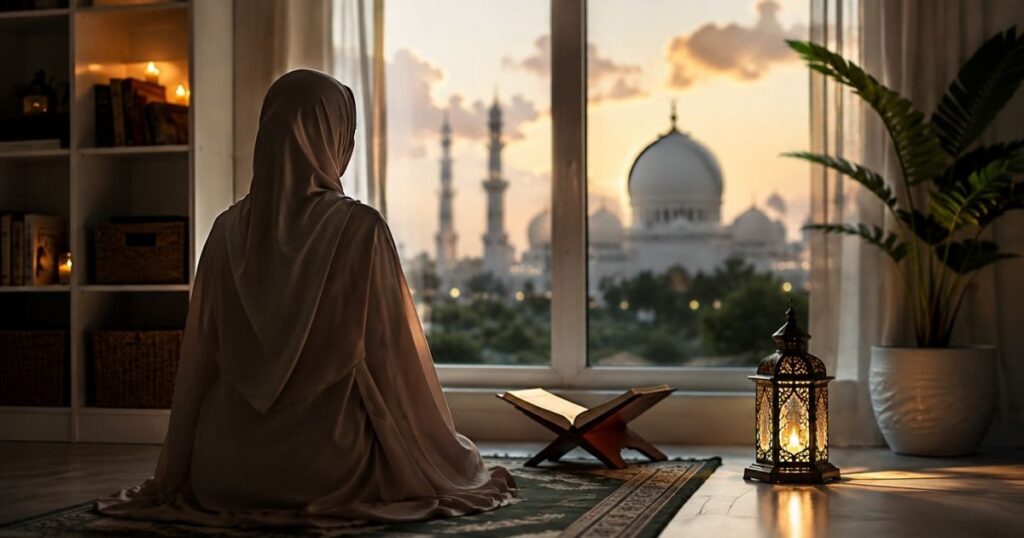
The word “Muslimah” is Arabic the feminine form of “Muslim.” Linguistically, it simply means a female believer in Islam. But culturally and spiritually, it carries far more weight.
For many Muslim women, calling themselves “Muslimah” is an act of reclamation. It centers her identity, her agency, her faith. It’s different from the clinical term “Muslim woman” it’s intimate, owned, proud. In Western contexts where Muslim women are often talked about rather than listened to, the term becomes a statement: “I am here. I define myself.”
Who are Muslimahs? The answer is everywhere. Muslimahs are surgeons and schoolteachers, poets and plumbers, stay-at-home mothers and CEOs. They’re hijabis and non-hijabis. They’re first-generation immigrants and fifth-generation Americans. They’re converts who chose Islam and Muslims born into faith. They speak hundreds of languages, celebrate dozens of cultures, and practice Islam in thousands of different ways. If you’re newly on this path yourself, our New Muslim Guide is built exactly for that starting point.
Yet they share something fundamental: a commitment to submitting to Allah (God) and living according to Islamic principles. Beyond that commitment, there’s stunning diversity.
A Day in the Life: Spiritual Practice & Purpose
To understand what life as a Muslimah looks like, picture a day structured around spiritual practice but deeply human.
Early morning (5–6 AM): The alarm sounds for Fajr, the dawn prayer. A Muslimah wakes, washes (makes ablution), and prays either at home, in community, or at the mosque. For some, this is the most peaceful moment of the day. For others, it’s a struggle against exhaustion. But it’s intentional. It sets the tone: Your day begins with your Lord.
Morning (7–9 AM): Work commute, school run, or personal study. Many Muslimahs use this time to listen to Quranic recitations or Islamic lectures. Others simply sit with their coffee and reflect. The point is presence not just going through motions, but showing up with purpose.
Midday (12–1 PM): Dhuhr prayer. For those at work, it might mean finding a quiet corner, a nursing mother’s room, or a local mosque. For mothers at home, it’s a pause in the chaos. Prayer interrupts the day’s rush and says: Remember what matters.
Afternoon (3–5 PM): Asr prayer happens in the late afternoon. By this time, many Muslimahs are managing multiple roles answering emails, picking up kids from school, preparing dinner, helping with homework. The prayer becomes both anchor and reset.
Evening (6–8 PM): Maghrib prayer at sunset, then family time. Dinner together. Stories shared. Faith conversations woven into ordinary moments. For many families, this is when Islam becomes lived not as doctrine, but as love.
Night (8–9 PM onwards): Isha prayer, the final daily prayer. Then perhaps Quranic study, personal dua (prayer/supplication), or simply rest. Before sleep, many Muslimahs reflect: What did I do today with intention? What do I need forgiveness for? What am I grateful for? For a closer look at the timing and meaning behind each of these five prayers, see our guide to the 5 Daily Prayers in Islam.
This rhythm isn’t rigid. Single women’s days look different from mothers’ days. Students’ schedules differ from professionals’. Working mothers juggle in ways stay-at-home mothers don’t. But the thread running through the intention to remember Allah throughout the day ties Muslimahs together.
Navigating Identity: Who Are You Beyond Your Roles?
A Muslimah often wears many hats. She’s a daughter (with family expectations). A sister (with loyalties). Perhaps a wife (with partnership responsibilities). Possibly a mother (with endless demands). Likely a professional (with career ambitions). Certainly a friend (with emotional labor). And underneath all that who is she?
This is one of the deepest questions a Muslimah asks herself, especially in Western contexts where individualism is prized but family/community obligations remain strong.
The role trap: Many Muslim women grow up told, explicitly or implicitly, that their identity is defined by their role. A girl’s worth is her modesty, her obedience, her future as a good wife and mother. When a woman reaches adulthood, she might discover she’s never asked: What do I want? Who am I independent of what others need from me?
The identity reclamation: Healthier Muslimahs learn that identity is layered. She is a daughter and her own person. A wife and an individual with dreams. A mother and a woman with needs. These aren’t contradictions they’re the complexity of being human.
In Islamic philosophy, this is actually supported. The Quran addresses women as individuals with agency. The Prophet Muhammad’s wives were scholars, business owners, and advisors. Historically and theologically, Islam honors women’s intellectual and spiritual independence even if cultural practice sometimes obscures that.
Finding yourself as a Muslimah means:
- Asking what you believe, not just what your family believes
- Pursuing education and interests that excite you
- Setting boundaries that protect your mental health
- Allowing yourself to change and evolve
- Recognizing that honoring your faith doesn’t mean erasing your self
The Five Pillars & Daily Worship: How Muslimahs Practice Islam
Islam is built on five foundational pillars core practices that structure Muslim life, covered in full in our guide to the 5 Pillars of Islam:
1. Shahada (Declaration of Faith): “There is no god but Allah, and Muhammad is His messenger.” This isn’t memorized once; it’s lived daily. A Muslimah returns to this declaration when doubts arise, when she needs centering, when she questions. Our breakdown of What Is the Shahada in Islam? covers its exact wording and meaning.
2. Salah (Prayer): Five daily prayers structured around the sun’s movement. More than ritual, prayer is communication with Allah praise, confession, gratitude, petition. Many Muslimahs describe it as essential as breathing. Without it, they feel untethered.
3. Fasting (Sawm): During Ramadan, the Islamic holy month, Muslimahs fast from dawn to sunset no food, water, or other physical needs. It’s a spiritual discipline that builds empathy (for the hungry), strengthens willpower, and deepens community as families and communities break fast together. Since Ramadan’s dates shift every year, our guide to the Islamic Calendar explains how the lunar months determine when it falls.
4. Zakat (Charitable Giving): An obligation to give a portion of wealth to those in need. This isn’t charity as afterthought it’s a fundamental pillar. Many Muslimahs see it as spiritual purification through generosity.
Beyond the pillars: Muslimahs also engage in Quranic study (Quran is Islam’s holy text), dua (personal prayer and supplication), and good deeds kindness, honesty, defending the weak, serving community. These practices weave Islam into daily life.
5. Hajj (Pilgrimage): If physically and financially able, a Muslim makes pilgrimage to Mecca at least once. For Muslimahs, Hajj is often transformative standing alongside millions of women from every nation, every race, every language, all equal before Allah.
The rhythm of worship gives Muslimahs a framework for existence. Even amid chaos—work stress, family conflict, personal doubt—these anchors remain.
The Real Challenges Muslimahs Face (& How to Navigate Them)
Being a Muslimah in today’s world isn’t just spiritual beauty it’s also real hardship.
Stereotyping & Discrimination: Muslim women are among the most stereotyped groups in America. Muslimahs report experiencing:
- Assumptions about oppression (that they’re forced to wear hijab, forbidden education, trapped in marriage)
- Workplace discrimination (being passed over for leadership, facing hijab bias)
- Street harassment (being told to go back to their country, having hijabs pulled)
- Microaggressions (being asked if they’re “allowed” to do basic things)
How to navigate it: Some Muslimahs become educators patiently correcting misconceptions. Others distance themselves from explainers’ roles. Many find power in community surrounding themselves with people who “get it.” The healthiest approach often involves setting boundaries (you don’t owe anyone education about your faith) while also choosing when and how to engage (sometimes education feels purposeful; sometimes it feels exhausting).
Work-Life-Faith Balance: A Muslimah professional might face:
- Needing to pray during work hours (finding space, managing time)
- Fasting in Ramadan while maintaining productivity
- Navigating workplace events that conflict with Islamic values (alcohol-centered parties, mixed dancing, etc.)
- Career ambition vs. family expectations (especially around motherhood)
How to navigate it: The concept of “balance” is often misleading it implies equal time for everything, which isn’t realistic. Instead, seasonal rhythm works better. Some seasons prioritize career, others family, others self-care. Clear communication with employers, family, and yourself about priorities helps.
Identity Navigation: Many Muslimahs feel caught between worlds:
- “Too Western” for traditional family members or conservative Muslims
- “Too Muslim” for secular American culture
- Criticisms from within community (not hijabis criticizing hijabis, converts questioning converts, etc.)
How to navigate it: Authenticity is radical. You don’t have to choose one version of yourself. A Muslimah can wear hijab and go to concerts. She can study Islamic law and work as a lawyer. She can love her culture and question some traditions. Self-compassion allowing yourself to be complex is essential.
Mental Health & Silence: Many Muslimahs struggle with anxiety, depression, and burnout but feel unable to speak about it. Stigma exists: mental illness is sometimes seen as lack of faith, therapy as distrust in Allah.
How to navigate it: Islamic scholars clarify that seeking help whether therapy, medical treatment, or community support is not unbelief. It’s wisdom. The Quran itself discusses emotional struggles. Prophet Muhammad experienced grief. Seeking healing is Islamic.
Family Pressure: Expectations around marriage, children, career, and obedience can be overwhelming. Some Muslimahs face pressure to marry young, have many children, prioritize family over education, or stay in unhealthy relationships.
How to navigate it: This requires courage honest conversations, sometimes therapy, sometimes distance, and sometimes difficult choices. Many Muslimahs find that respecting yourself is also respecting your parents, because self-respect models self-worth to the next generation.
Sisterhood & Community The Heart of Being a Muslimah
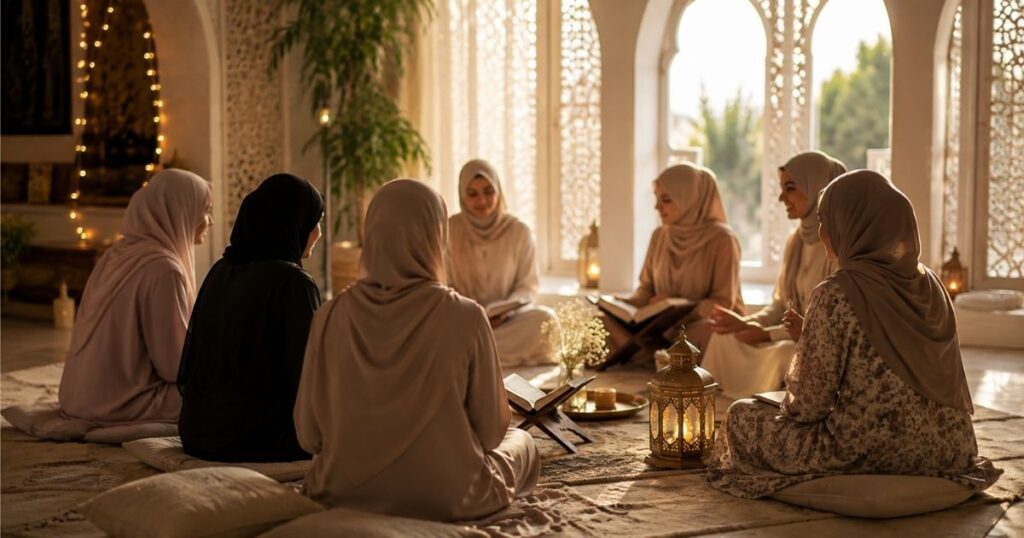
If individual faith is the spine of Muslimah life, community is the heartbeat.
Islamic tradition emphasizes ukhuwwa sisterhood. The Quran calls believers brothers and sisters. For Muslimahs, this means:
- Mentorship: Older Muslimahs guiding younger ones through marriage, motherhood, career, or spiritual struggle
- Collective prayer: Standing shoulder-to-shoulder in congregation, regardless of status or background
- Mutual support: Bringing meals when someone is ill, celebrating milestones, grieving losses together
- Accountability: Gentle reminders to stay true to values when you’re slipping
- Celebration: Eid gatherings, Ramadan iftars (communal meals), wedding celebrations
Many Muslimahs describe community as lifeline. In a world that often devalues them, Muslim communities affirm: You matter. Your faith matters. You belong.
For converts, community is especially crucial they’re choosing Islam without family inheritance. Finding welcoming Muslimahs can mean the difference between staying Muslim and leaving. If you’re a convert looking for that first step, our Start Your Journey page is a good place to begin.
For immigrant Muslimahs, community preserves culture and language while building belonging in a new home.
For young Muslimahs navigating adolescence, community provides role models and witness to their growth.
The shadow side: Not all Muslim communities are healthy. Some harbor judgment, gossip, or exclusion. Hierarchies based on race, class, or education exist. LGBTQ+ Muslimahs often feel rejected. Women who leave hijab, change career paths, or make unconventional choices may face ostracism.
Real sisterhood means creating space for complexity accepting that Muslimahs are diverse, flawed, changing, and still deeply worthy of love and belonging.
Hijab, Modesty & Self-Expression: More Than a Scarf
Hijab is perhaps the most visible marker of Muslim identity and the most misunderstood.
Theologically: The Quran instructs both men and women to dress modestly and lower their gaze modesty isn’t a women-only expectation, and our piece on the Islamic Dress Code for Men covers the parallel obligation on the other side. For women, this includes covering the hair and body. The specific interpretation varies: some Muslimahs wear headscarves only, others full-body coverings, others modest secular clothing. The principle is intention and modesty, not a specific outfit.
Practically: Hijab means different things to different Muslimahs:
- For some, it’s spiritual practice a daily reminder to live consciously
- For others, it’s cultural identity and connection to heritage
- For some, it’s political statement reclaiming beauty and identity against Western narratives
- For others, it’s personal choice they made after struggle or doubt
In America: Hijab-wearing Muslimahs face unique challenges. Many experience discrimination orkplace bias, security searches at airports, street harassment. Yet many also report that hijab brings empowerment. “It forced me to be confident,” one Muslimah shared. “I couldn’t blend in or hide, so I had to own who I am.”
The complexity: Some Muslimahs wear hijab by choice and love it. Some wear it from family pressure and resent it. Some don’t wear it and feel guilt. Some wear it conditionally (in community, not at work). All of these are valid. Hijab isn’t monolithic it’s lived differently across the 1.8 billion Muslims on Earth.
Self-expression & fashion: Here’s what outsiders miss: Muslimahs are fashion-forward. Modest fashion is a thriving industry. Muslimahs style hijabs dozens of ways, layer abayas with personality, choose fabrics and colors that reflect their taste. They’re not erasing femininity they’re expressing it differently.
Walk into any Muslim community, and you’ll see hijabs in every color and pattern, abayas from designers, modest dresses that fit beautifully. Modesty and style aren’t enemies.
Career, Education & Ambition: Thriving as a Muslim Woman
Stereotypes suggest Muslim women are confined to homes, barred from education or career. The reality is starkly different.
Muslimahs are doctors, engineers, lawyers, teachers, CEOs, entrepreneurs, scientists, artists, activists, and leaders. According to recent data, Muslim women in the USA have higher college enrollment rates than some demographic groups. Many pursue advanced degrees and competitive careers.
Yet challenges exist:
- Workplace discrimination: Being overlooked for leadership roles, facing bias about hijab or prayer time
- Work-life-motherhood pressure: The expectation that “good Muslim women” prioritize family, sometimes undermining career ambitions
- Limited representation: Few Muslim women in senior leadership, media, or academia, making visibility harder
- Intersectional bias: Muslim women of color face compounded discrimination (racism + Islamophobia + sexism)
How Muslimahs navigate it:
- Mentorship networks: Finding other Muslim women in their field who’ve succeeded
- Clear boundaries: Establishing what matters most and protecting that fiercely
- Professional communities: Building spaces where Muslim identity and professional identity integrate
- Education as empowerment: Pursuing knowledge as both personal growth and service to community
Many Muslimahs view career as part of their Islamic purpose serving others, using their talents, contributing to society. Education isn’t un-Islamic; it’s liberation.
Muslimahs Navigating Modern Culture: Fashion, Technology, Relationships
Muslimahs exist in global culture. They listen to music (many do, though some avoid it), watch movies, scroll social media, navigate dating, and make choices about technology daily.
The cultural tensions:
- Entertainment: Is music forbidden? Movies? TV? Opinions vary widely among Muslimahs and Islamic scholars
- Dating & relationships: How do you find a partner while honoring Islamic boundaries? (Many communities are moving toward “halal dating”getting to know someone with intent and family involvement, rather than Western dating norms). Our guide to Islamic Relationship Rules walks through what that actually looks like.
- Social media: Navigating modest presentation online while staying connected
- Fashion & self-care: Is makeup haram (forbidden)? Can you dye your hair? Wear nail polish? Get tattoos? Islamic scholars vary; Muslimahs choose based on their understanding and conscience. Our overview of What Is Halal and Haram in Islam? is a useful starting framework for these everyday questions.
The reality: Most Muslimahs aren’t fundamentalist. They’re integrating thoughtfully navigating between Islamic values and American culture, deciding what resonates with their faith and what doesn’t. A Muslimah might listen to Arabic pop music but not English music with explicit lyrics. She might wear makeup for fun but not to attract men. She might post selfies modestly.
This integration is itself an Islamic practice the Quran emphasizes wisdom and context. Islam is meant to be lived in the world you inhabit, not rejected from it.
Mental Health & Wellness: Self-Care as Worship
For too long, Muslim communities have treated mental health as taboo something shameful, something that indicated lack of faith.
The shift: Progressive Islamic scholarship and Muslimahs themselves are changing this narrative. Mental health is health. Seeking therapy is wise. Medication is permissible. Rest is worship.
The Quran itself describes emotional struggle. Prophet Muhammad experienced grief. Islamic figures sought counsel and support. Taking care of your mind and body is Islamic.
Practical wellness practices many Muslimahs use:
- Prayer & meditation: Using Salah and Quranic reflection as centering practices
- Community connection: Gathering with other Muslimahs for support (formal or informal)
- Therapy: Working with counselors (ideally ones who understand Islamic context)
- Physical care: Exercise, nutrition, sleep basic acts of self-preservation
- Boundary-setting: Saying no to demands that drain you
- Dua: Personal prayer and supplication as emotional processing
The wisdom: A Muslimah who takes care of herself is better able to care for others. A woman who honors her mental health models self-respect for her children. Rest isn’t laziness; it’s necessary. This same spirit of sincerity over rigid checklist-worship runs through our piece on the Beauty of Islam.
Intersectionality: Race, Class, Culture & Faith
“Muslim woman” isn’t a monolith. Muslimahs have different races, classes, abilities, and life circumstances—and these profoundly shape their experience.
A Black Muslimah’s experience differs from an Arab Muslimah’s. She navigates anti-Blackness within Muslim communities (colorism, assumptions about authenticity) alongside Islamophobia and racism in America. She may face scrutiny from both Black and Muslim communities about where her loyalty lies.
An immigrant Muslimah navigates language barriers, visa insecurity, cultural displacement, and the pressure to preserve heritage while adapting to a new home.
A poor or working-class Muslimah faces different barriers than wealthy ones access to halal food, transportation to mosques, ability to attend Islamic conferences or schools.
A disabled Muslimah may struggle with mosque accessibility, prayer accommodations, or community understanding of her limitations.
An LGBTQ+ Muslimah often feels invisible or rejected in traditional Muslim spaces while searching for spiritual home.
A convert from a Christian or atheist background has no inherited family tradition and sometimes faces questions about “authenticity” from born Muslims.
Real inclusion means:
- Centering marginalized Muslimahs’ voices
- Addressing racism, classism, and ableism within Muslim communities
- Creating accessible spaces (physically, financially, linguistically)
- Questioning hierarchies of who gets listened to
- Celebrating that diversity of Muslimahs strengthens Islam
Muslimahs in the USA: Unique Challenges & Opportunities
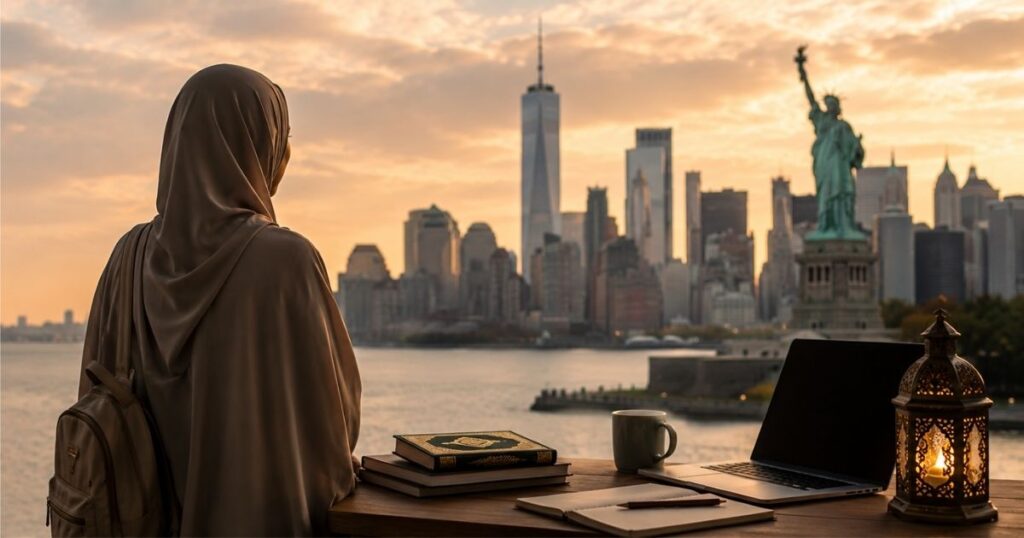
Muslim women in America face a particular landscape shaped by post-9/11 politics, Islamophobia, and immigration patterns.
The challenges:
- Post-9/11 discrimination that continues today
- Hijab bias in workplaces and schools
- Surveillance and profiling by law enforcement
- Underrepresentation in media and leadership
- Struggle to find halal and culturally accessible spaces in some regions
The opportunities:
- Educational access and professional mobility
- Interfaith dialogue and bridge-building
- Freedom to practice Islam without state interference (unlike some countries)
- Building new American Muslim culture that’s both faithful and locally rooted
- Political voice and activism (many young Muslimahs are becoming activists, politicians, advocates)
American Muslimahs are redefining what it means to be Muslim in a Western context. They’re not abandoning faith; they’re making it their own, integrating it with American identity, raising Muslim kids who are fully American and fully Muslim.
This is pioneering work. Muslimahs in the USA are writing new stories about what Muslim womanhood looks like in the 21st century.
Conclusion
Life as a Muslimah today is about balancing faith, personal growth, family, education, work, and modern life while staying connected to Islamic values. Every Muslim woman’s journey is unique, and being a Muslimah does not mean giving up ambition or individuality. Instead, it can mean finding purpose, strength, modesty, and confidence through faith. With knowledge, self-awareness, and a strong connection with Allah, Muslim women can navigate modern challenges while living according to their values.
FAQs
What’s the difference between “Muslimah” and “Muslim woman”?
Both terms mean the same thing a female Muslim. “Muslimah” is the Arabic term; “Muslim woman” is English. Many prefer “Muslimah” because it centers their identity and feels more culturally rooted. It’s partly about reclamation and voice.
Do all Muslimahs wear hijab?
No. While hijab is encouraged in Islam, Muslimahs practice differently. Some wear headscarves, some wear full coverings, some wear modest secular clothing, some don’t cover their hair. A woman’s faith isn’t measured by her outfit.
How do Muslimahs balance education and family?
It varies. Many pursue education and family. Some delay marriage or children to focus on school. Some work while raising kids. Others prioritize family first. Islam supports women’s education the Prophet’s first follower was his educated wife Khadijah, a successful businesswoman.
What support systems exist for Muslim women?
Many: mosques offer women’s circles and mentorship, online communities connect Muslimahs globally, professional organizations support Muslim women in careers, and family serves as primary support for some. Finding your community takes effort but is deeply worthwhile.
How do you stay strong in faith when you feel alone?
Connection to Allah through prayer and Quran is foundational. Many Muslimahs also seek human connection calling a friend, joining an online group, attending mosque. Loneliness is real; reaching out for help is brave.
Is it possible to be a “successful” Muslimah in modern society?
Success looks different for everyone. For some, it’s career achievement. For others, raising good children or serving community. For others, personal spiritual growth. Islamic success isn’t measured by Western standards it’s measured by intention, integrity, and impact. All these versions are valid.
Where can I find a supportive Muslimah community?
Start with local mosques (many have women’s groups), Islamic centers, or online communities. Look for spaces that celebrate diversity and welcome questions. Not every community will feel right and that’s okay. Keep searching until you find where you belong.